
BCRE Original: This analysis is based on BCRE’s locally maintained new-construction and market guides. It does not reproduce reporting from another outlet.
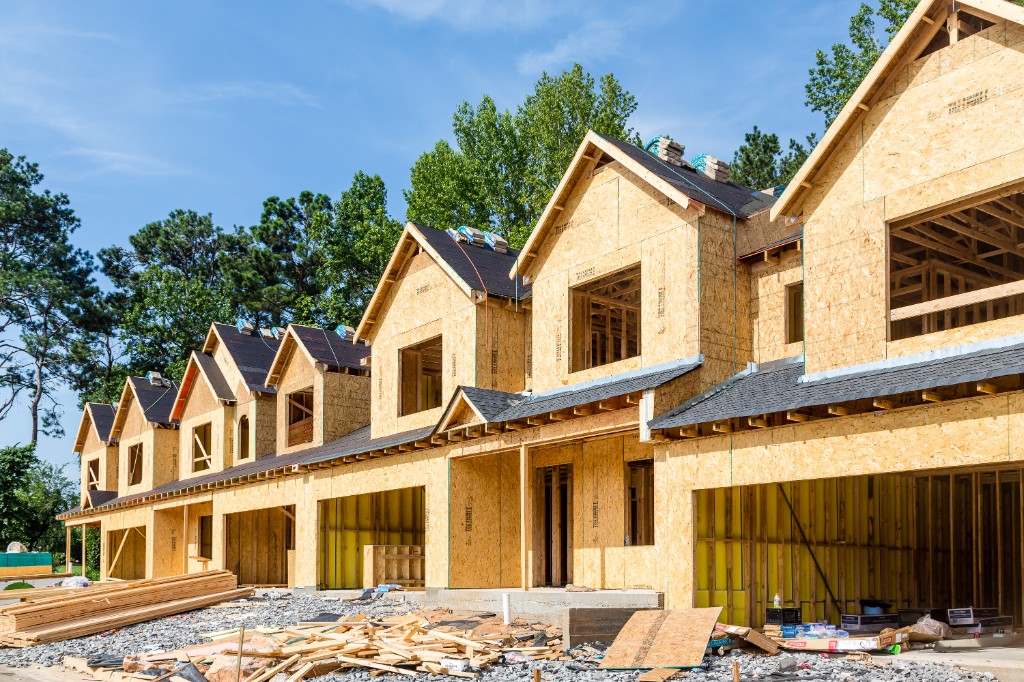
Portland Metro’s most visible residential growth is increasingly found outside the urban core. That does not mean Portland has stopped building. It means larger, coordinated projects are easier to recognize where land can support streets, utilities, parks, and multiple housing phases at once.
Three Growth Patterns To Watch
South Hillsboro and Reed’s Crossing illustrate the scale of west-side master-planned growth. Buyers can compare new phases, builder offerings, and nearby services within a district that is still taking shape. The key question is not simply which floor plan is available today. It is how the surrounding area is expected to function as later phases open.
Frog Pond in Wilsonville represents a similar pattern on the south side of the metro. New homes arrive alongside a broader neighborhood plan, so street connections, parks, schools, and future construction matter to the purchase decision.
What This Means For Buyers
New construction often looks easier to compare than resale inventory because model homes and published options create a clean shopping experience. The contract, lot, completion schedule, incentives, and included finishes still require close review. Buyers should also compare the cost of upgrades with nearby resale homes that may already include landscaping, window coverings, and mature neighborhood amenities.
BCRE’s Portland Metro New Construction Guide keeps the search tied to live inventory and locally defined growth areas. Use it as a starting point, then verify current phase details and availability directly before making a decision.